
Key Drivers Shaping the First Generation Biofuel Industry
Introduction
The First Generation Biofuel Market represents the earliest and most commercially established segment of the global bioenergy industry, focusing on fuels produced from food-based feedstocks such as sugar, starch, and vegetable oils. First generation biofuels primarily include bioethanol derived from crops like corn, sugarcane, and wheat, as well as biodiesel produced from soybean oil, palm oil, rapeseed oil, and animal fats. These biofuels are widely blended with conventional fossil fuels and used in transportation, power generation, and heating applications. Over the past decades, first generation biofuels have played a crucial role in reducing dependence on petroleum imports, enhancing energy security, and lowering greenhouse gas emissions compared to traditional fossil fuels. Despite growing interest in advanced biofuels, first generation biofuels continue to dominate global biofuel production due to their mature technologies, established supply chains, and regulatory support in many countries.
Market Drivers
One of the primary drivers of the First Generation Biofuel Market is government policy support aimed at reducing carbon emissions and promoting renewable energy adoption. Many countries mandate biofuel blending requirements for gasoline and diesel, directly supporting demand for ethanol and biodiesel. Energy security concerns are another major driver, as biofuels reduce reliance on imported crude oil and help stabilize domestic fuel supplies. Rising crude oil price volatility also encourages the use of biofuels as alternative transportation fuels. Additionally, first generation biofuels leverage existing agricultural infrastructure, allowing rapid scale-up compared to newer biofuel technologies. The transportation sector remains a key driver, as bioethanol blends such as E10 and E20 and biodiesel blends such as B5 and B20 are widely compatible with existing vehicle fleets. Rural economic development and income generation for farmers further support policy and market backing for first generation biofuels.
Market Challenges
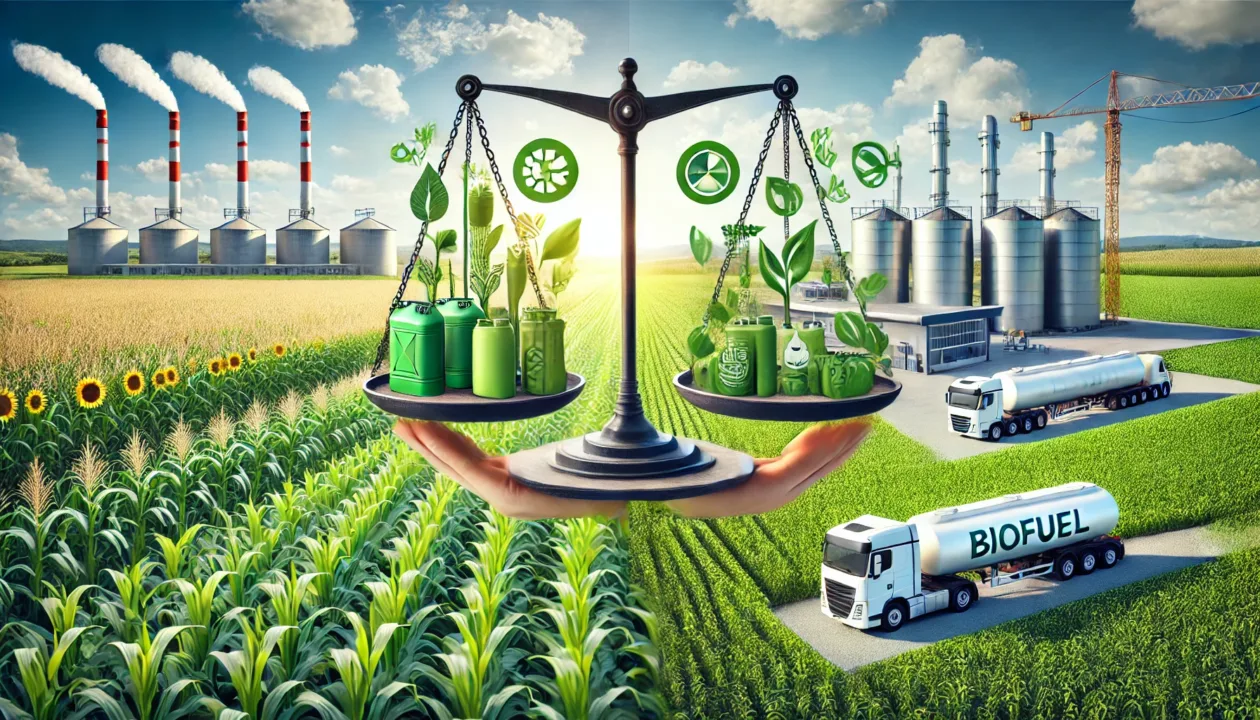
Despite their widespread adoption, first generation biofuels face significant challenges. One of the most prominent issues is the food-versus-fuel debate, as these biofuels rely on crops that could otherwise be used for food or animal feed. This raises concerns about food price inflation and supply security, particularly in developing economies. Land use change and deforestation associated with expanding biofuel crop cultivation also attract environmental criticism. Water consumption and fertilizer use in biofuel crop production can impact soil health and water resources. In addition, first generation biofuels offer limited greenhouse gas reduction potential compared to advanced biofuels when indirect land-use effects are considered. Policy uncertainty and changes in subsidy structures can affect market stability, while competition from electric vehicles and alternative low-carbon fuels poses long-term challenges to growth.
Market Opportunities
The First Generation Biofuel Market continues to present opportunities through process optimization and sustainability improvements. Advances in agricultural practices, such as precision farming and improved crop yields, can reduce environmental impact while maintaining production levels. Technological improvements in fermentation, transesterification, and refining processes are enhancing efficiency and lowering production costs. Expansion of higher biofuel blend mandates creates incremental demand growth, particularly in emerging economies with growing transportation fuel consumption. Co-product utilization, such as distillers grains from ethanol production and glycerin from biodiesel, improves overall economic viability. Integration of carbon capture and utilization technologies with biofuel plants offers opportunities to further reduce lifecycle emissions. Additionally, biofuels play an important role in decarbonizing sectors where electrification is challenging, such as aviation, marine transport, and heavy-duty road transport, supporting continued relevance of first generation fuels as transitional energy solutions.
Regional Insights
North America holds a significant share of the First Generation Biofuel Market, driven primarily by large-scale corn ethanol production and strong policy support for renewable fuels. The region benefits from advanced agricultural infrastructure and well-established biofuel distribution networks. South America is another major market, particularly due to extensive sugarcane ethanol production, which offers high energy efficiency and favorable emissions performance. Europe plays an important role through biodiesel production based on rapeseed and other oilseeds, supported by renewable energy directives and fuel quality standards. Asia-Pacific is an emerging growth region, with countries expanding ethanol blending programs and biodiesel use to reduce oil imports and emissions. Africa remains a developing market, where biofuel production is linked to agricultural development and energy access initiatives, though growth is influenced by food security considerations.
Future Outlook
The future outlook for the First Generation Biofuel Market is transitional but stable. While long-term decarbonization strategies increasingly emphasize advanced biofuels, electric mobility, and hydrogen, first generation biofuels are expected to remain part of the global energy mix for the foreseeable future. Demand will be sustained by blending mandates, existing vehicle compatibility, and the need for near-term emission reduction solutions. Policy frameworks are likely to evolve toward stricter sustainability criteria, encouraging more efficient and responsible biofuel production. Technological improvements will continue to enhance yields and reduce environmental footprint. In emerging economies, rising transportation demand and supportive policies will underpin growth. Overall, first generation biofuels are expected to serve as a bridge between fossil fuels and next-generation renewable energy solutions.
Conclusion
The First Generation Biofuel Market has played a foundational role in the global transition toward renewable and low-carbon energy. Supported by mature technologies, established agricultural supply chains, and strong policy frameworks, the market continues to supply a significant share of renewable transportation fuels worldwide. Although challenges related to food security, land use, and environmental sustainability persist, ongoing innovation and regulatory refinement are addressing many concerns. As energy systems evolve, first generation biofuels will remain important transitional fuels, contributing to energy security, rural development, and emission reduction efforts while paving the way for advanced bioenergy solutions.
 Português (Brasil)
 English
 Arabic
 French
 Spanish
 Portuguese
 Deutsch
 Turkish
 Dutch
Dutch
 Italiano
 Russian
 Romaian
 Greek
Greek