
Cross-Cultural Fusion: Adinkra and Berber Inspiration for Modern Henna Art
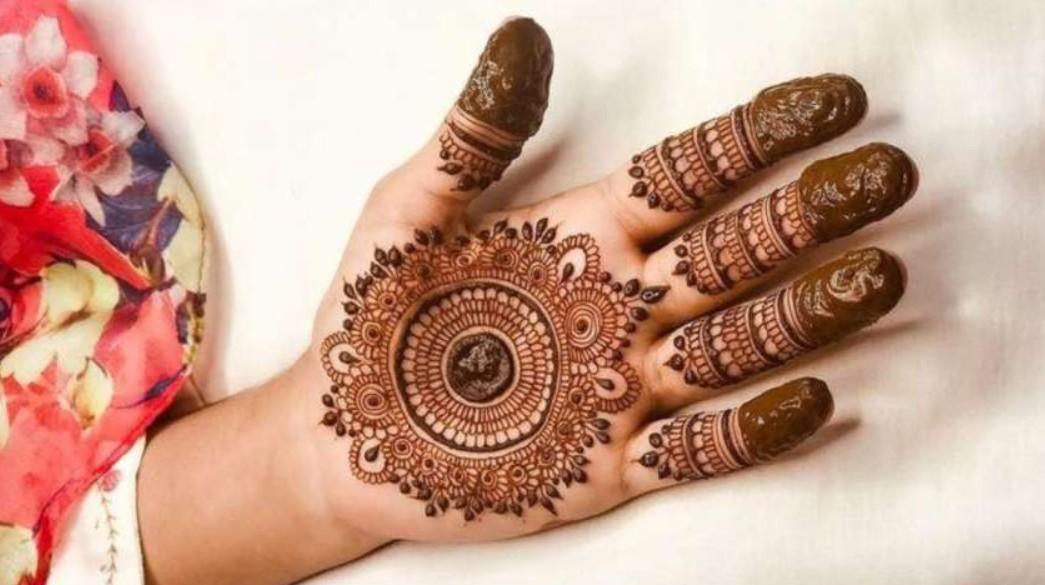
The art of henna has always been a medium for storytelling, serving as a visual language that transcends borders and centuries. Traditionally associated with celebrations in South Asia, the Middle East, and North Africa, contemporary henna artists are increasingly looking toward other ancient symbolic traditions to enrich their portfolios. Two of the most profound sources of inspiration are the Adinkra symbols of the Akan people in Ghana and the intricate textile motifs of the Berber (Amazigh) tribes of the Maghreb. Integrating these symbols into henna designs does more than just create a beautiful aesthetic; it weaves deep philosophical meanings into the skin.
The Philosophical Depth of Adinkra Symbols
Adinkra symbols represent a complex system of concepts and aphorisms developed by the Ashanti Kingdom. Each symbol is a shorthand for a piece of wisdom or a historical event. When translated into henna art, these symbols offer a bold, graphic alternative to the delicate floral swirls typical of Indian Mehendi. For instance, the 'Gye Nyame' symbol, which denotes the supremacy of God, or the 'Sankofa' bird, which represents the importance of learning from the past, can be placed as central motifs on the palm or the back of the hand. Incorporating these into your work requires an understanding of balance and negative space. Students in a henna course learn how to manage paste consistency so that the sharp angles and circular curves of Adinkra symbols remain crisp upon staining. Using these symbols allows the artist to offer "meaningful tattoos" that resonate with the wearer’s personal journey or heritage.
Berber Textile Motifs: Geometry as Protection
The Berber people of North Africa have a long history of using henna, but their style is distinctively geometric, mirroring the patterns found in their world-famous rugs and textiles. Berber motifs often consist of triangles, diamonds, and chevrons, which were traditionally believed to ward off the 'Evil Eye' and bring 'Baraka' (blessing) to the wearer. In contemporary henna, these textile-inspired patterns are perfect for "jewelry-style" designs—mimicking the look of permanent tattoos or intricate bracelets and anklets. Because Berber designs rely heavily on symmetry and straight lines, they are excellent for practicing the "line work" modules found in a comprehensive henna course. A single misplaced dot or a shaky line can disrupt the harmony of a Berber grid, making it a fantastic challenge for artists looking to elevate their precision and move beyond freehand floral patterns into more structured, architectural aesthetics.
Blending Ancient Symbols with Contemporary Placement
Modern henna is no longer confined to the palms and soles of the feet. Today’s clients often request designs on the shoulders, collarbones, or even as "spine art." This shift in placement allows for the larger, bolder silhouettes of West African and Berber art to truly shine. For example, a series of Adinkra symbols can be linked together using Berber-style geometric chains to create a striking "armored" look. This fusion creates a unique, pan-African aesthetic that feels both ancient and cutting-edge. Achieving this blend requires a deep understanding of body anatomy and how henna paste interacts with different skin thicknesses. Through a structured henna course, artists gain the confidence to experiment with these cross-cultural fusions, ensuring that the final stain is dark and long-lasting regardless of where the symbols are placed. This versatility is what makes a modern henna artist stand out in a crowded market.
The Ritual of Application: A Meditative Experience
Beyond the visual result, the process of applying henna is an act of mindfulness. Both the artist and the client enter a state of stillness during the one to two hours required for a complex design. This connection is explored deeply in discussions regarding what mindfulness or meditation practices can be integrated into the henna application process? By focusing on the steady flow of the paste and the rhythmic repetition of Berber triangles or Adinkra curves, the application becomes a form of "moving meditation." This holistic approach is often a highlight for those who pursue a professional henna course, as it teaches the artist how to create a calming environment for the client. When the symbols being drawn have deep spiritual roots, the session transforms from a mere cosmetic service into a therapeutic ritual of self-expression and cultural appreciation.
Technical Mastery and Cultural Respect
As artists draw inspiration from West African and Berber traditions, it is vital to approach these symbols with respect and knowledge. It is not enough to simply "copy" a pattern; one must understand the context behind it. A professional henna course often touches upon the history of the craft, encouraging artists to be cultural ambassadors rather than just decorators. Mastering the chemical properties of natural henna is also crucial when working with the dense blocks of color often found in African motifs. If the paste is not mixed correctly, the bold areas of an Adinkra symbol may flake off prematurely, leaving an uneven stain. Learning the science of the lawsone molecule ensures that your tribute to these ancient cultures remains vibrant on the skin for as long as possible. This technical foundation allows the artist’s creativity to flourish without being hindered by mechanical failures or poor-quality materials.
Future Trends in Symbolic Henna Art
The future of henna lies in the continued mixing of global design languages. We are seeing a rise in "Minimalist Henna," where a single, powerful Adinkra symbol is placed on the wrist, as well as "Maximalist Fusion," where Berber geometry covers the entire forearm. As more people seek out sustainable and temporary ways to decorate their bodies, the demand for artists who can navigate these different cultural scripts will only grow.

 English
 French
 Spanish
 Portuguese
 Deutsch
 Turkish
 Dutch
Dutch
 Italiano
 Russian
 Romaian
 Português (Brasil)
 Greek
Greek