
Baking Paper Kitchen Uses and Preparation Methods
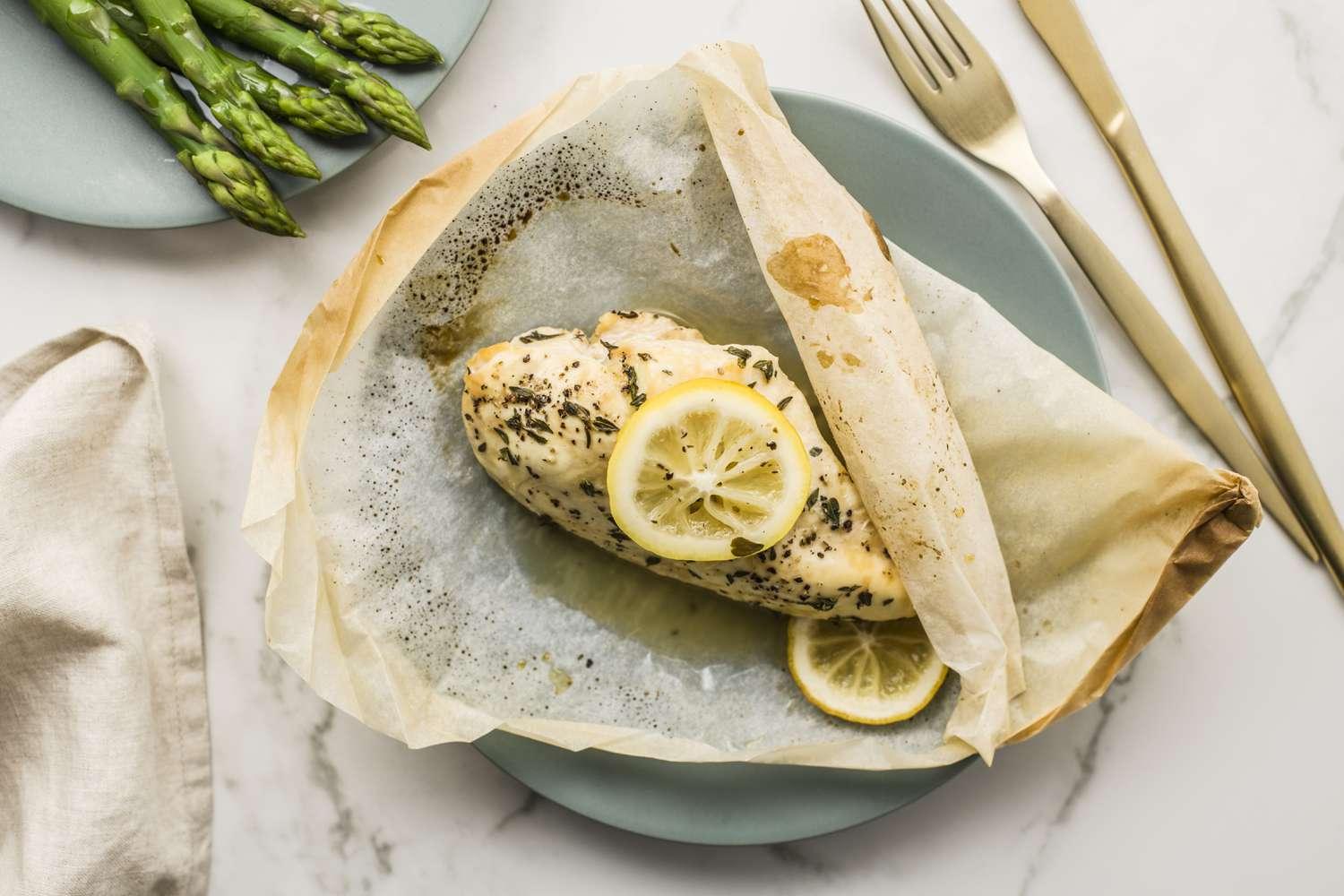
In baking and food preparation, consistency and cleanliness play a vital role in achieving reliable results. During many oven-based cooking processes, bakers depend on Baking Paper to create a protective layer between ingredients and cooking surfaces. By reducing direct contact with metal trays, this material helps maintain food quality, simplifies cleaning, and improves overall baking efficiency. Its versatility has made it a common tool in both household kitchens and commercial food production environments.
Raw Material Selection and Paper Formation
The production of baking paper begins with the selection of carefully processed cellulose fibers. These fibers are typically derived from refined wood pulp, which is processed to achieve a balanced combination of strength, flexibility, and heat tolerance. The quality of the pulp directly influences the structural properties of the final paper sheet.
During the papermaking process, fibers are dispersed in water and formed into a thin sheet using specialized equipment. Precise control of fiber distribution ensures uniform thickness and density throughout the sheet. This consistency is essential because uneven paper can affect baking performance and heat transfer.
Pressing and drying stages further strengthen the paper by increasing fiber bonding. Proper moisture control during drying prevents curling or warping, allowing the finished paper to remain stable during baking. Manufacturers focus on maintaining consistent production conditions to ensure the base paper meets performance expectations.
Silicone Surface Treatment
A key step in transforming base paper into baking paper is the application of a food-grade silicone coating. This coating forms a smooth barrier on the surface of the paper that prevents dough and other ingredients from sticking during baking.
The coating process involves spreading a thin layer of silicone across the paper surface and curing it at controlled temperatures. Proper curing allows the silicone to bond securely with the fiber structure of the paper, ensuring the non-stick layer remains stable when exposed to heat.
In addition to preventing sticking, the silicone coating improves grease resistance. Oils and fats released during baking are prevented from penetrating the paper fibers, which helps maintain the structural integrity of the sheet and protects the baking tray underneath.
Heat Distribution and Oven Stability
Baking often requires precise temperature control, especially when preparing pastries, cookies, or delicate desserts. Baking paper contributes to even heat distribution by providing a thin insulating layer between the food and the metal tray.
The fiber structure of the paper allows moderate airflow and moisture exchange during baking. This balance supports the formation of proper crust textures in baked goods while preventing excessive moisture buildup.
Another important characteristic is stability under airflow. In convection ovens, circulating hot air can move lightweight materials. Well-manufactured baking paper remains flat on the tray, preventing it from folding or lifting during the baking cycle.
Improving Baking Efficiency in the Kitchen
One of the most practical advantages of baking paper is its ability to streamline kitchen workflows. Lining trays with baking paper reduces the need for greasing pans and simplifies the removal of baked goods once cooking is complete.
Bakers often prepare multiple trays in advance by lining them with paper before adding dough or batter. This preparation helps maintain a smooth workflow, especially when baking large batches of cookies or pastries.
When working with sticky ingredients such as caramel, melted chocolate, or sugar-based mixtures, baking paper provides a clean surface for cooling and shaping. The non-stick coating allows these materials to harden without attaching to the surface beneath them.
Practical Usage Techniques
Several simple techniques can enhance the effectiveness of baking paper during cooking. For rectangular baking trays, pre-cut sheets that match the tray size help maintain a smooth surface and prevent wrinkles. Wrinkles can create uneven cooking spots, so flattening the paper before adding ingredients is recommended.
For cake pans or baking molds, some bakers cut a circular piece of paper to place at the bottom of the pan. This method ensures that cakes release easily once baked and helps maintain the shape of delicate desserts.
Baking paper can also be used as a protective surface when rolling dough. By placing dough between two sheets of paper, bakers can roll it evenly without adding excess flour. This method helps preserve the intended texture of pastries and cookies.
Applications Beyond Traditional Baking
Although baking paper is commonly associated with cakes and cookies, it has many additional culinary uses. Roasting vegetables on lined trays prevents natural sugars from burning onto the tray surface, making cleanup easier.
Another cooking technique involves wrapping ingredients in paper before baking, often known as the parchment packet or steaming method. When food is enclosed in the paper, moisture released during cooking creates a natural steaming environment that enhances flavor and texture.
In confectionery preparation, baking paper provides a convenient surface for shaping chocolate decorations, cooling sugar syrups, or forming candy pieces. Its grease-resistant surface keeps sugary mixtures from penetrating the paper.
Industrial Food Production Applications
Commercial bakeries and food manufacturing facilities rely on baking paper to support efficient production processes. In large-scale operations, trays are used repeatedly throughout the day. Baking paper allows trays to be quickly lined and replaced between batches, minimizing downtime.
Pre-cut sheets and roll formats are commonly used in automated production lines. These standardized formats help ensure that the paper fits consistently on trays or conveyor systems used in industrial ovens.
By acting as a protective barrier between food and metal trays, baking paper also reduces residue buildup. This helps extend the lifespan of baking equipment and decreases the time required for cleaning and maintenance.
Innovation in Baking Paper Manufacturing
As the baking industry continues to expand, manufacturers are exploring new methods to improve baking paper performance. Advances in fiber processing technology help create stronger and more uniform base paper structures.
Coating technology is also evolving, allowing silicone layers to be applied more precisely and efficiently. Improved coating methods help maintain consistent non-stick performance across the entire surface of the paper.
Research and development efforts often focus on balancing functionality, durability, and responsible material use. Efficient production methods can reduce waste while maintaining product reliability for food preparation applications.
Manufacturing Expertise and Product Supply
The demand for dependable baking materials continues to grow as baking becomes more widespread in both domestic kitchens and commercial food industries. Reliable baking paper supports consistent cooking results while simplifying kitchen operations.
Zhejiang Guanghe New Materials Co., Ltd. is involved in the development and manufacturing of specialized baking paper products designed for various baking environments. Through controlled production processes and continuous material research, the company provides solutions suitable for both household and professional use.
More information about available baking paper products and manufacturing capabilities can be found on the official website: https://www.guanghepaper.com .
 Dutch
Dutch
 English
 Arabic
 French
 Spanish
 Portuguese
 Deutsch
 Turkish
 Italiano
 Russian
 Romaian
 Português (Brasil)
 Greek
Greek