
The Natural Journey of a Disposable Kraft Box
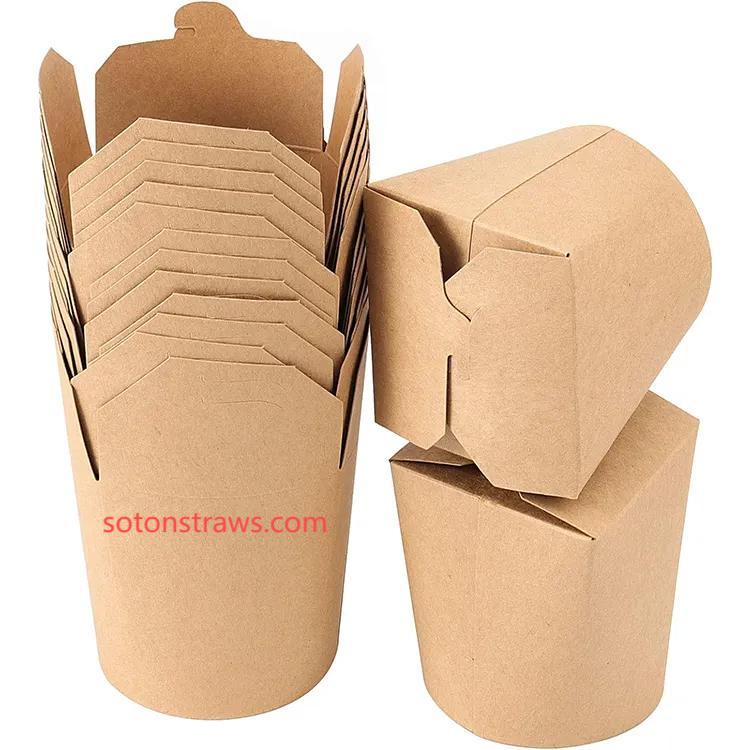
Amidst a sea of complex and often confusing "green" packaging options, the classic disposable kraft box stands as a testament to timeless utility. Its unbleached, rugged appearance speaks to a product that hasn't been overly processed, retaining much of its inherent character and strength. This fundamental robustness is the primary reason the format has endured for so long, successfully transitioning from industrial shipping to everyday food service. This widespread adoption is rooted in its fundamental properties: the long, strong virgin fibers that give kraft paper its notable tear resistance and durability, making it an ideal vessel for protecting contents during transit.
However, achieving functionality for a wider range of culinary applications necessitated innovation. The simple, unlined box is perfect for dry goods, but the introduction of moist, hot, or oily foods presents a significant challenge. To address this, the industry developed liners. Initially, these were wax coatings, which provided a good moisture barrier but complicated recycling and were often petroleum-based. The evolution moved towards creating barriers that could perform under pressure without betraying ecological principles. This led to the development of coatings that defy water and grease using chemistry derived from fruits, vegetables, and starches. These modern solutions allow the disposable kraft box to confidently hold everything from a crispy salad to a rich, saucy curry.
This progression highlights a fascinating dialogue between nature and engineering. The base material is a renewable resource, and the goal is to pair it with a liner that comes from a similar cradle and shares a similar grave, ideally in a compost pile.
The conversation extends beyond the box itself to the entire ecosystem of its use. This includes the adhesives used in its construction, which must be water-based and non-toxic, and the inks used for branding, which should be soy or vegetable-based for easier breakdown. The entire design ethos leans towards mono-materiality, where the different components are compatible in their end-of-life processing. This holistic view considers the entire lifecycle, from the sustainable forestry practices that source the pulp to the energy-efficient manufacturing processes.
Ultimately, the enduring appeal lies in its perceived authenticity. Consumers associate the natural look of kraft paper with environmental responsibility, an association that responsible manufacturers strive to honor with truthful material selection.
At Soton, we honor this legacy by embracing the natural strengths of the material while implementing only the most responsible enhancements.Click https://www.sotonstraws.com/product/ to reading more information.
 Italiano
 English
 Arabic
 French
 Spanish
 Portuguese
 Deutsch
 Turkish
 Dutch
Dutch
 Russian
 Romaian
 Português (Brasil)
 Greek
Greek