
The Emergence of a Revolutionary Human-Machine Interface Technology
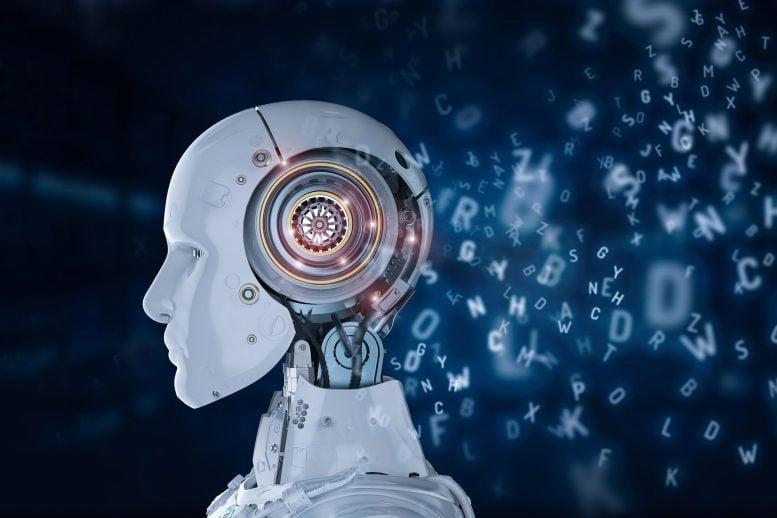
At the intersection of neuroscience, robotics, and artificial intelligence lies a groundbreaking technology poised to redefine human capability. The Brain Reading Robot is a sophisticated system that translates a user's neural signals, or brainwaves, directly into mechanical action, enabling thought-controlled operation of robotic devices. This is achieved through a Brain-Computer Interface (BCI) that typically uses non-invasive sensors like an electroencephalography (EEG) headset to detect electrical activity in the brain. Advanced machine learning algorithms then decode these complex signals, identifying patterns associated with a specific intention, such as the desire to move a robotic arm or steer a wheelchair. This remarkable technology is moving from the realm of science fiction into tangible applications, offering unprecedented hope for individuals with severe motor disabilities and creating new paradigms for human-robot interaction in various fields.
The core process of this technology involves several critical stages. First is signal acquisition, where sensitive electrodes capture the faint electrical impulses generated by neurons. The quality of this data is paramount, and researchers are constantly developing more comfortable and higher-fidelity sensors. The second stage is signal processing and feature extraction, where the raw, noisy EEG data is filtered and cleaned. AI algorithms then identify the key features or patterns within the brainwaves that correlate with a user's intent. The final and most crucial stage is classification and control, where the system makes a decision based on these patterns—for example, "the user wants to grasp"—and translates that decision into a command sent to the robotic actuator, resulting in physical movement. The speed and accuracy of this entire process are the primary metrics of a system's effectiveness.
The most profound impact of brain-reading robots is currently seen in the medical and assistive technology sectors. For individuals suffering from paralysis due to spinal cord injuries, stroke, or neurodegenerative diseases like ALS, this technology offers a pathway to regaining a degree of autonomy. By mentally controlling a prosthetic limb, an exoskeleton, or even environmental controls in a smart home, users can reclaim functions that were once thought to be permanently lost. This not only enhances their physical independence but also provides immense psychological benefits, improving quality of life and fostering a renewed sense of agency. As the technology matures, it promises to become a transformative tool in neurorehabilitation and personal assistance.
 Portuguese
 English
 Arabic
 French
 Spanish
 Deutsch
 Turkish
 Dutch
Dutch
 Italiano
 Russian
 Romaian
 Português (Brasil)
 Greek
Greek